


Nepal Flood and Climate Change: Future of Himalayan Regions
Last Updated: August 30, 2026
Author: Narayan Mourya
Tweet
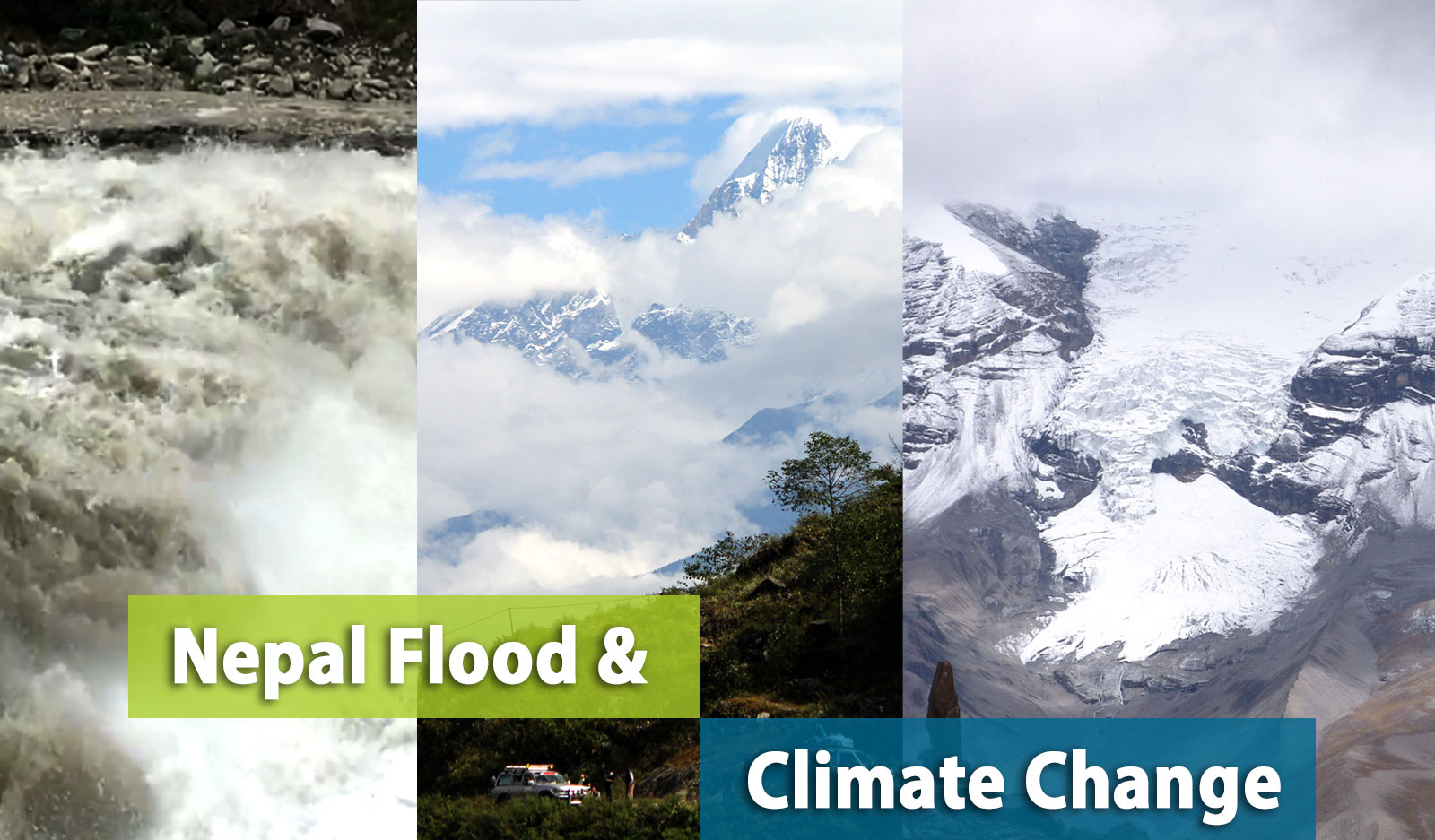
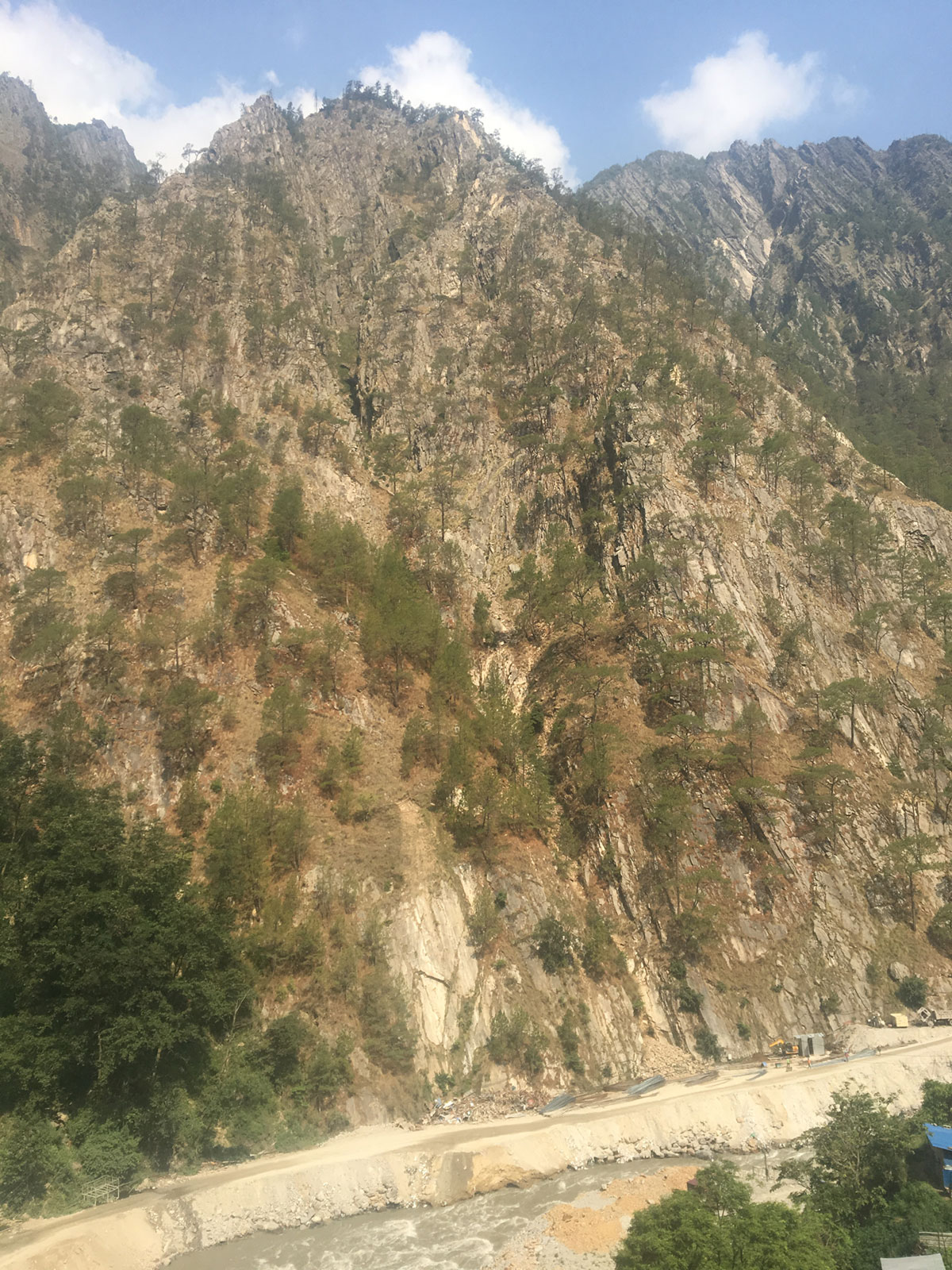
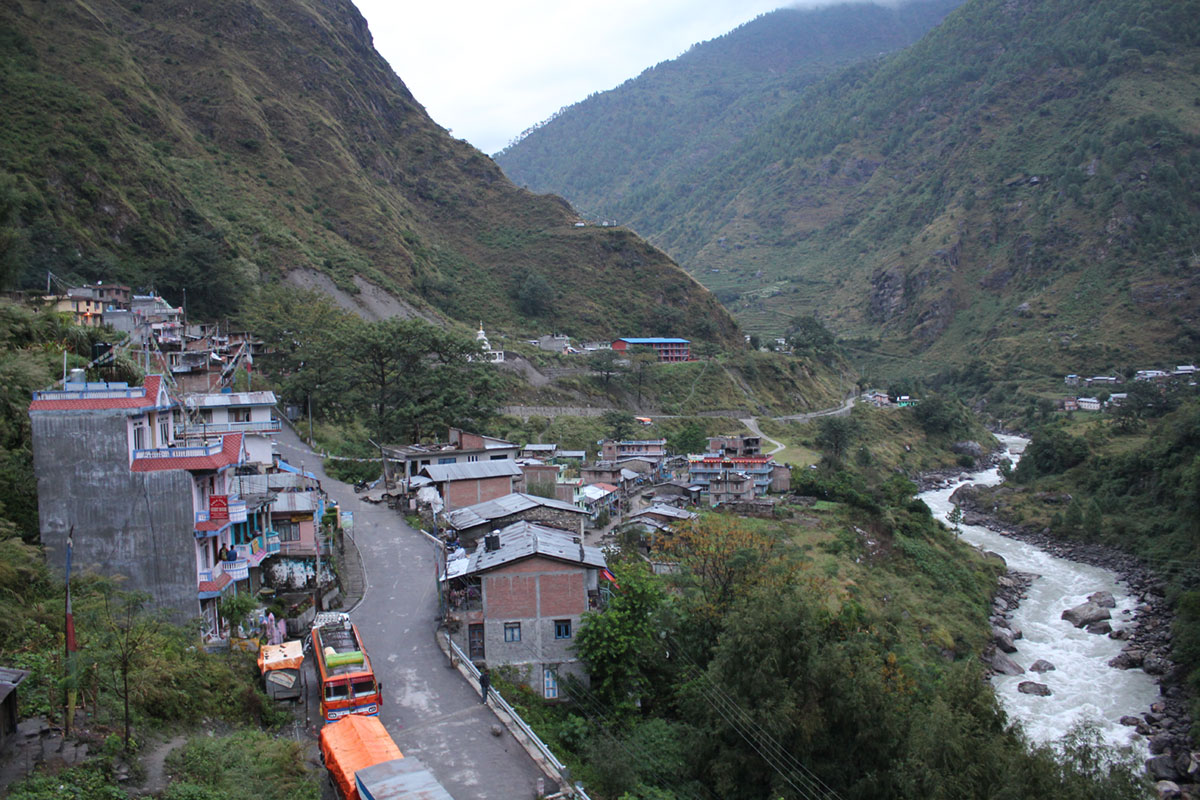
Photo: Mountain from Rasuwa, Himalayan Glacier and Bhotekoshi River Before being flooded.
The recent flood in Nepal that has already claimed hundreds of lives and thousands still missing is a tragedy that the whole world has never imagined. Thousands of homes , people, livelihoods wiped away with blink of an eye.
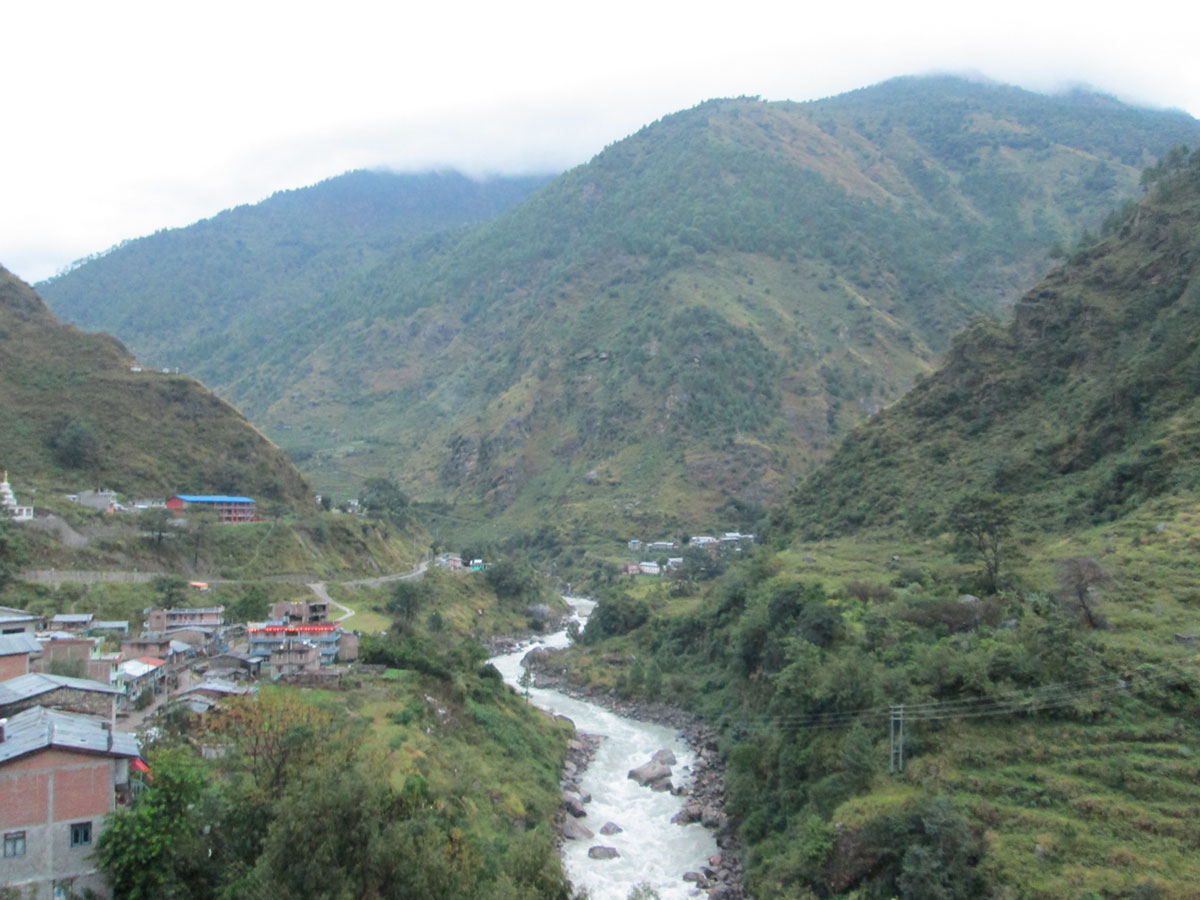
From last couple of days the texts I have been receiving in my phones are my friends and fellow international volunteers who traveled and helped in Nepal. They have been texting me to check if we are safe, griefing the tragedy, and praying for Nepal.
I have been working in social service and volunteering programs in Nepal since 2015. This journey started because of a devastating 7.8-magnitude earthquake. And now, after almost 11 years, I feel like I am at the same crossroads, facing the fate of a natural disaster affecting the people of Nepal and the Himalayas
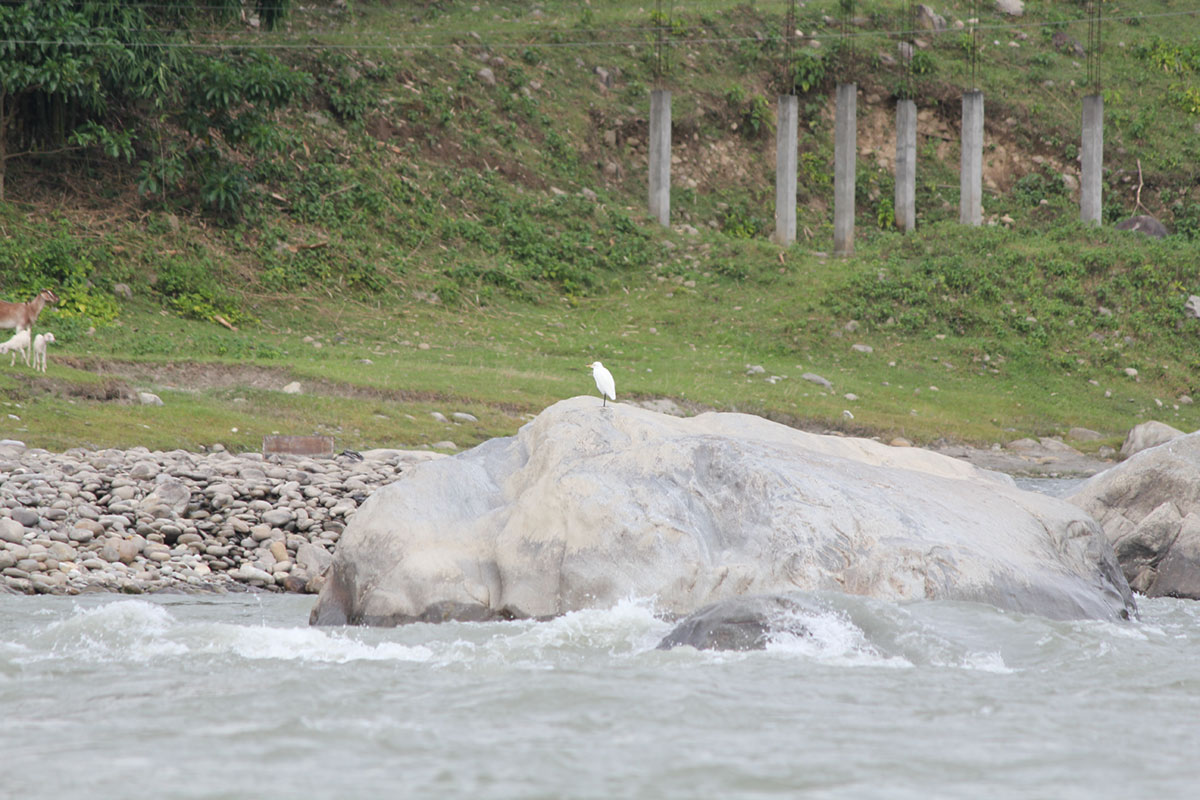
30 years ago when I first arrived in Kathmandu with my parents, I was mesmerized by the view of Himalayan mountains. They used to be white most of the time. Over the years, I have witnessed the disfigured fate of these mountains, how some of them turned from snow capped pinnacles to just an ugly block of black rocks.
Now most of the months in the year, these mountains' lower layers are without snow, and the tops are melting. As a son of Himalaya, I have always advocated for the safe future of these Himalayan jewels.
Nepal is paying an extraordinarily disproportionate price for the crisis it did not create.
Sumnima Udas, a Member of Nepal's Parliament
For a Nepalese citizen like me , these mountains are everything, they are home to our gods, they are source to our power, they are our lifeline. And my heart wrenches when I hear these mountains are being one of the first victims of climate change and global warming.
What Caused Nepal-Tibet Flood in 2026?
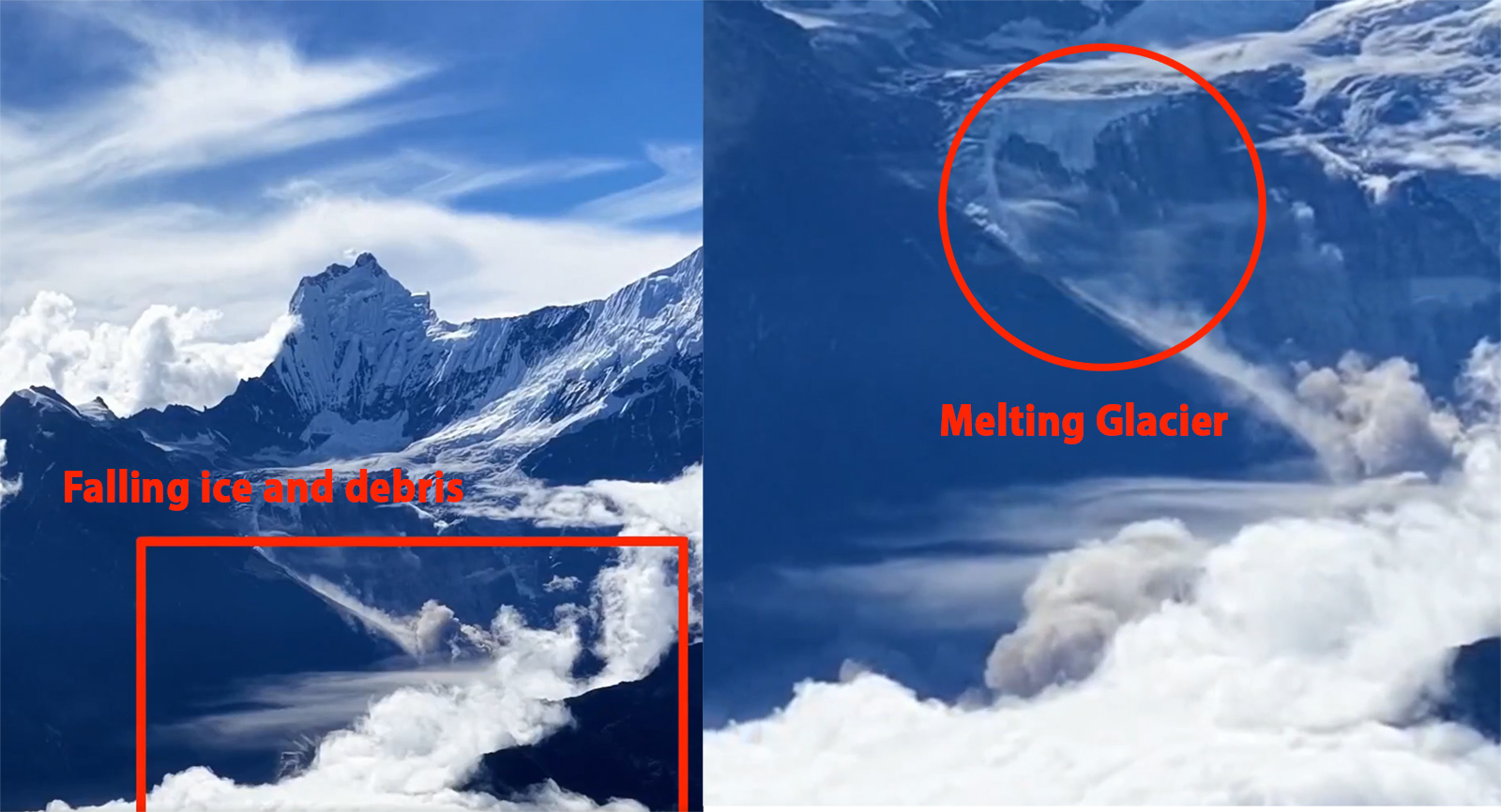
At first, it was believed an earthquake had triggered the devastating flood on the Nepal-Tibet border. But preliminary investigations now point towards something even more worrying. Scientists say that a part of a glacier near Langtang Lirung collapsed, sending a huge mass of ice, rocks and debris down towards the Lende Khola and Bhote Koshi river.
The force was so powerful that it registered like a magnitude 5.2 earthquake. Within just 30 minutes, the water level downstream rose by around seven to nine metres, carrying boulders, sediment and destruction along its way.
For someone like me whose life and livelihood depend on the safety of the Himalayas, this is another warning coming directly from our mountains. Scientists have been telling us for years that the Himalayan glaciers are melting faster, the permafrost is weakening and our high mountains are becoming more unstable.
The Himalayas have always lived with earthquakes, landslides and floods, but climate change is now adding another risky layer to these incidents.
When glaciers melt, mountainsides lose their stability and rivers receive more water, the possibility of glacier collapses, landslides and sudden floods also increases.
What happened near Langtang is not only a disaster of today, it is also a glimpse of what the Himalayan region may face more frequently in the future.
Is Climate Change Behind Disasters Like Nepal-Tibet Floods?
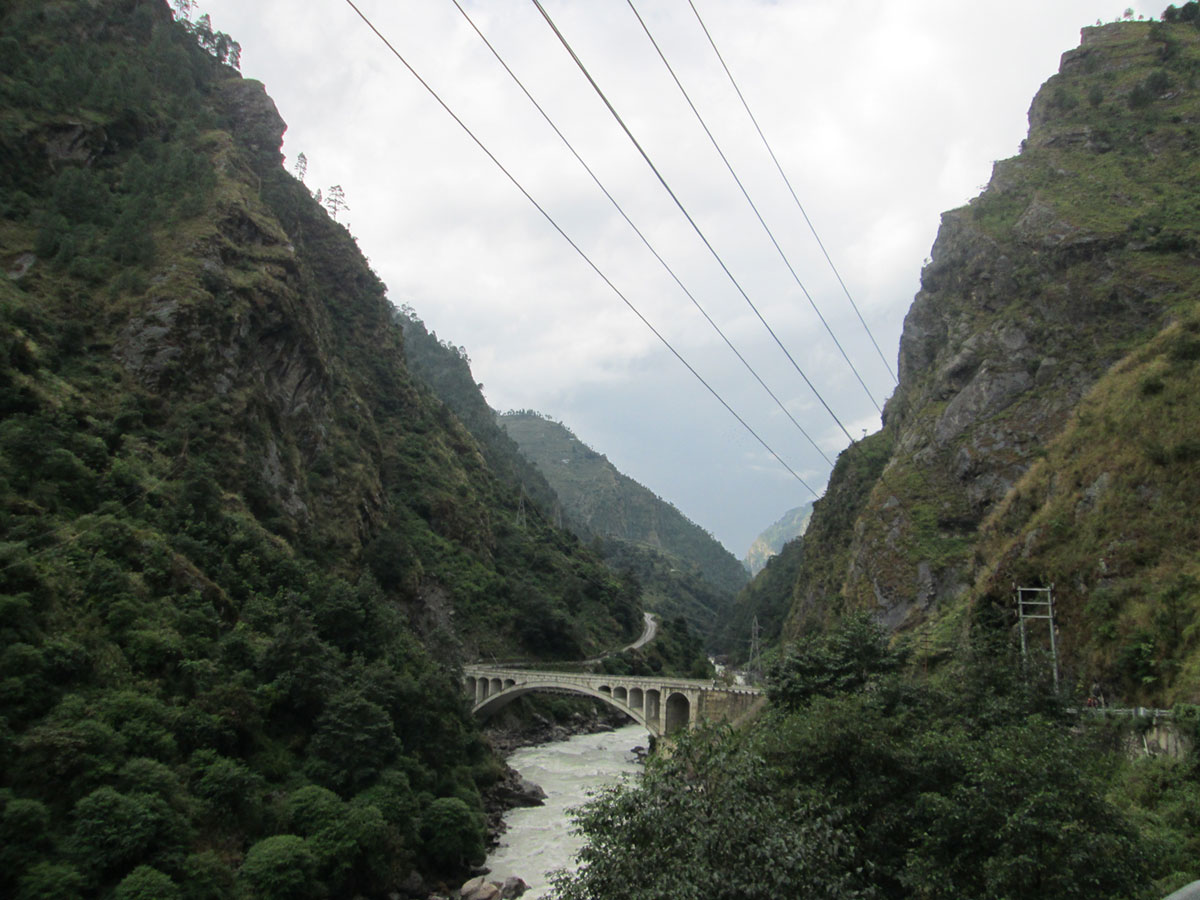
There is no doubt Himalayas are getting warmer each year, and with this warming our glaciers and permafrost are also changing. Scientists are still studying the exact cause of this week’s deadly flooding in Nepal and Tibet, but they say rising temperatures are increasing the chances of these kinds of disasters in the mountains.
Initial studies suggest that a massive chunk of bedrock collapsed underneath a glacier on the north face of Langtang Lirung. At the same time, a large piece of ice also broke away from the glacier and fell thousands of feet into the valley. Millions of metric tons of rock and ice came down the mountain and turned into mud and water as it rushed downstream.
For thousands of years, permafrost has worked almost like a glue holding rocks, ice and mountain slopes together. But as humans continue burning fossil fuels and warming the planet, this frozen ground is slowly thawing.
Climate change is heating up the Himalayas and supercharging the risk of disasters like the deadly flash flooding in Nepal and Tibet.
Maxine Joselow and Leo Sands, New York Times
When glaciers retreat and this permafrost melts, the foundation underneath them becomes weaker and the slopes become more vulnerable to collapse.
Scientists say glacier failures have already happened dozens of times in the China-Nepal border region since 1900. These failures can include ice avalanches, glacier detachments and rock-ice avalanches.
At the same time, thousands of glacial lakes are also forming across the Himalayas, creating another danger when avalanches, earthquakes or falling rocks disturb them.
But scientists are also clear that it could be too early to blame climate change alone as the immediate cause of this disaster. Researchers are still studying satellite images and other data, and this process may take months.
What is becoming clearer is that our Himalayan mountains are changing, and the old warning systems designed mainly for glacial lake floods may not always be enough for these very fast and sudden disasters.
As a witness from the Himalayan region, there is no denying that snow cycle in our mountains is changing. Mountains are not as white as they should in normal seasons. Snow and glaciers are melting unpredictably and people like me from Nepal are living under the looming threat of avalanche, floods and mudslides caused by it.
Final Thoughts
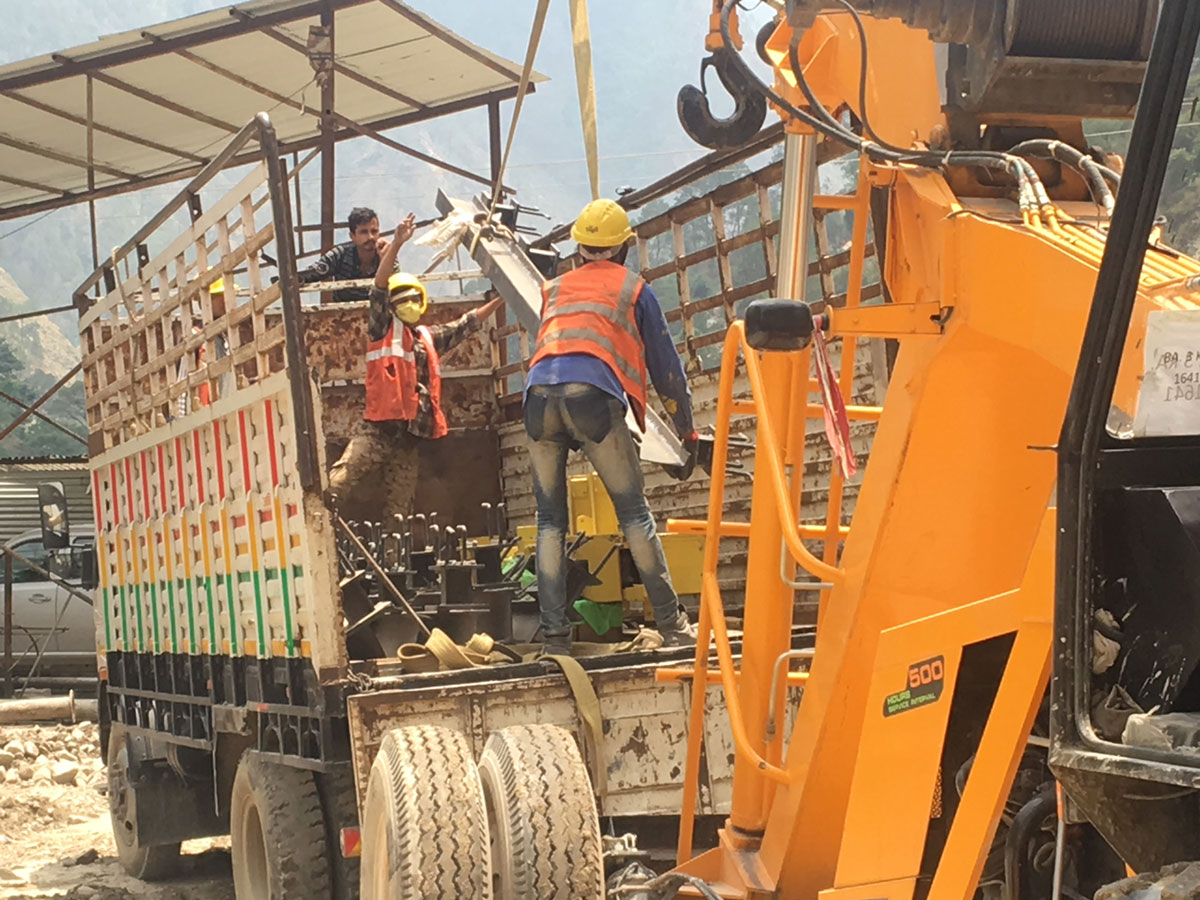
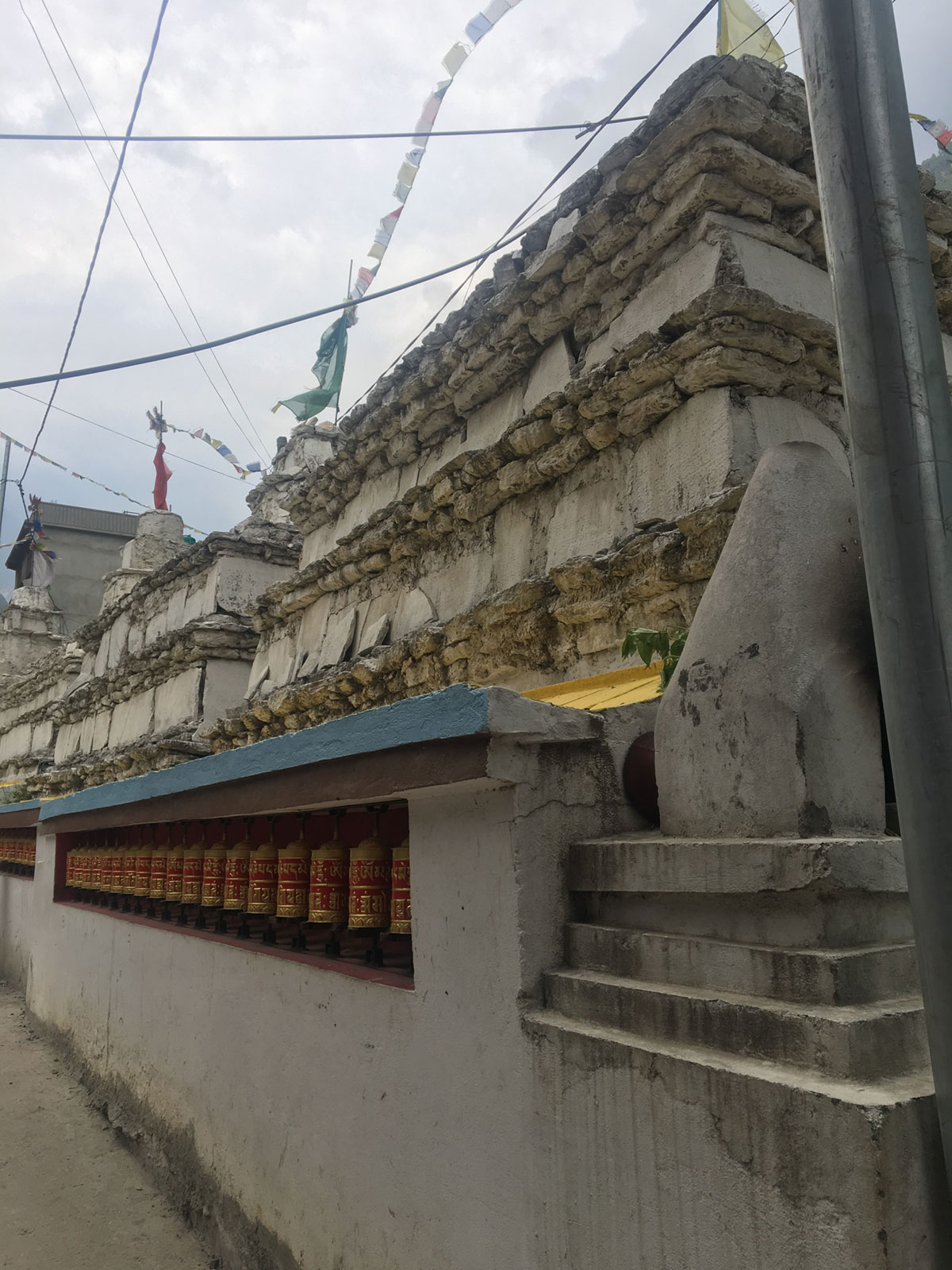
Around 2017 when I went from Syaphru to Kerung in Rasuwa. I was a bit scared by the terrain. Dry cliffs, roaring rivers and growing civilization around. I was skeptical about the future of those villages with looming threats of Natural disaster because of increasing landslides and floods in such kind of places in Nepal.
I have always found it unfair that least developed countries like Nepal have the least contribution to carbon emission, however they are becoming the first victims of the natural disaster caused by climate change.
Climate change with increasingly high temperatures and melting of glaciers. The whole thing is combining to form these catastrophic disasters that we are now seeing on a regular basis.
Mike Searle, a professor of earth sciences at Oxford University
At last my heart wrenches for all the lives we lost in this tragedy of August 26 morning. The helping hands and aids that are coming from around the world are very commendable and overwhelming. Also, on the other hand there are raising concerns about better and advanced disaster forecasting and GLOF monitoring system in Nepal.
But my point at this time is foreign aids and forcasting/monitoring system alone can not be permanent solution. The planet is warming and consequence is claiming the lives of innocent people like Nepalese. This disaster is an alarm to the entire world, all the countries in the world specially global leaders should heed to this. Economic and financial growth of powerful countries must not be based on dead bodies of innocent people of countries like Nepal.
Namaste with Prayers!
About Author
Narayan Mourya has done Masters in Economics and Bachelors in Physics from Tribhuvan University of Nepal. He has been working in Social Service and Tourism in Nepal since 2015. He is a mountain lover who loves to hike and trek around the mountains of Himalayas. Narayan is also a licensed tourist guide and has been helping people around the world to explore different parts of Nepal.
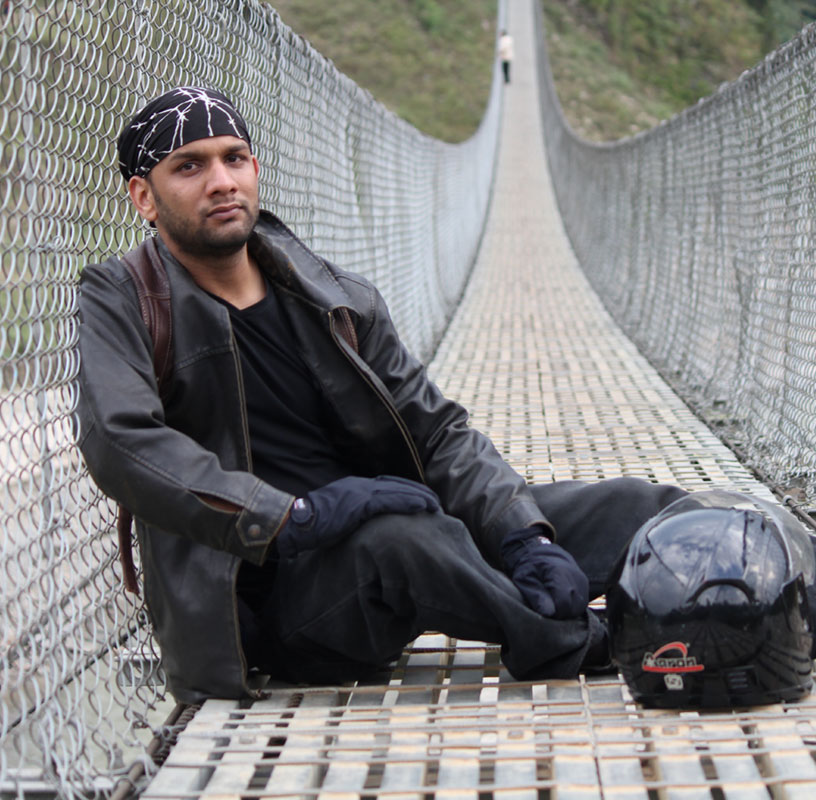
In his photo here, Narayan is resting on a suspension bridge over Trishuli river, which got flooded. More than 41 such bridges were swept away by August 26 flood.
Published on August 30, 2026
To share this link:
Please click here to get the complete details on available programs, volunteer’s roles and activities , accommodation, cost, visa , vaccination, airport arrival and the rest of it.
Get More Info Now »