

How to Help the Colombia Earthquake Victims and Survivors in 2026
Last Updated: August 12, 2026
Tweet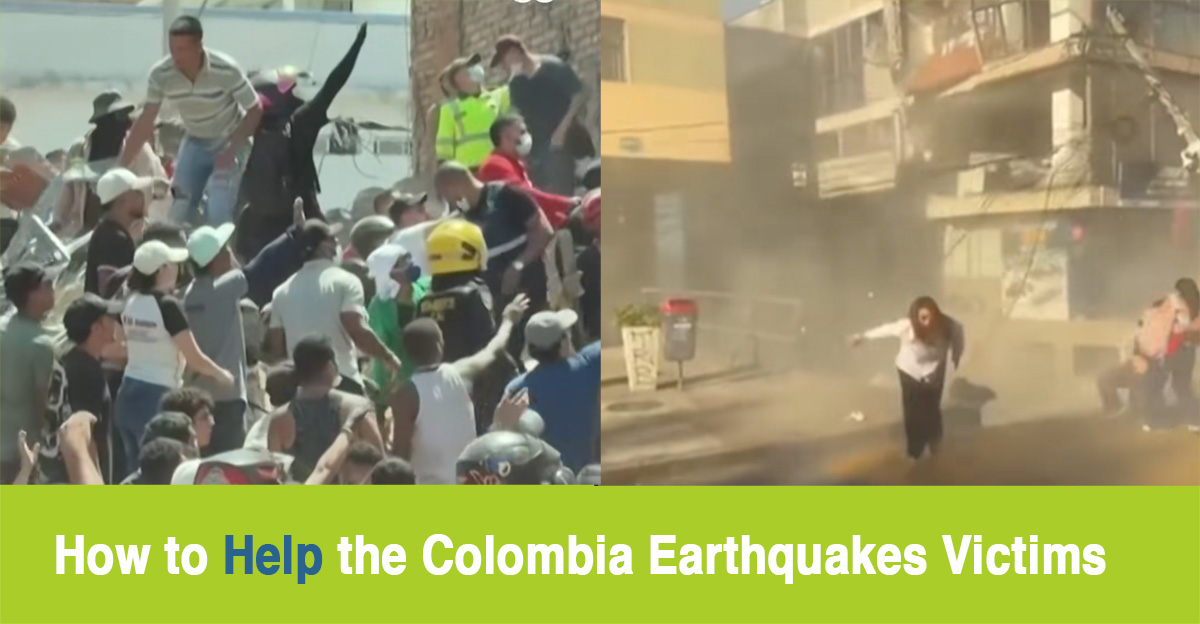
Colombia has been struck by one of its largest earthquakes in years, leaving communities across the western part of the country facing devastating loss. The magnitude 7.4 earthquake caused buildings to collapse, damaged critical infrastructure, and left more than a thousand of people injured. More than 250 people have been reported dead, 5,000 homes suffered damage while rescue workers continue searching for survivors who may still be trapped beneath the rubble.
The disaster has triggered an urgent humanitarian response from Colombian authorities, emergency services, volunteers, and international organizations. Families affected by the earthquake need immediate assistance including food, clean water, emergency shelter, medical care, hygiene supplies, and protection. People around the world can also support the victims and survivors by donating through established humanitarian organizations and helping verified relief campaigns reach more people.
How Is the Situation Now?
The magnitude 7.4 earthquake struck Colombia at 07:34 local time, with its epicenter near San José del Palmar in Chocó province, approximately 150 miles west of Bogotá. According to Colombia's geological service, the earthquake occurred at a depth of around 103 kilometers. Tremors were felt across a vast part of western Colombia and as far as the capital, where alarms sounded and residents evacuated buildings as a precaution.
More than 250 people have been killed and more than 1000 injured, according to the information available following the disaster. Pereira, located in Colombia's coffee-growing region, has suffered a significant number of casualties, while Cali, the Valle del Cauca region, and surrounding cities have also been seriously affected.
Rescue workers, soldiers, firefighters, and volunteers are searching collapsed buildings for survivors. In Cali, parts of a hospital, including pediatric and neonatal areas, were among the structures reported damaged or collapsed. The Colombian government has declared a national disaster and deployed soldiers and emergency personnel to support rescue and relief operations.
Who Is Helping?
Local communities have been among the first to respond. Across affected cities, residents have joined firefighters and emergency teams in searching for survivors, distributing food and supplies, and helping families displaced by damaged buildings. Colombian authorities are also receiving support from humanitarian organizations and international partners.
Colombian Red Cross
Tras el fuerte sismo registrado hoy en Colombia, nos solidarizamos con las personas afectadas por esta emergencia.
— CICR Colombia (@CICR_co) August 10, 2026
Desde el CICR seguimos de cerca la situación y mantenemos contacto con nuestros socios de @cruzrojacol para ayudar a quienes más lo necesiten. pic.twitter.com/1MVSjcM8T3
The Colombian Red Cross is involved in the emergency response and humanitarian coordination following the earthquake. The International Committee of the Red Cross has expressed solidarity with those affected and said it is closely monitoring developments while remaining in contact with the Colombian Red Cross.
The organizations are working to identify humanitarian needs and determine how best to assist communities affected by the disaster. Such emergency responses can include first aid, medical assistance, family support, emergency supplies, and help for people displaced from their homes.
UNICEF Colombia Migration
UNICEF está monitoreando la situación y coordinando con socios de las Naciones Unidas y autoridades nacionales para evaluar las necesidades y brindar apoyo a los niños, niñas y adolescentes afectados. pic.twitter.com/HTivgac1T1
— UNICEF Colombia (@UNICEFColombia) August 10, 2026
UNICEF Colombia is monitoring the situation and coordinating with national authorities and other United Nations organizations to understand the humanitarian needs created by the earthquake. Particular attention is being given to children and adolescents, who can be especially vulnerable following a major disaster. UNICEF's response may support affected children and families through essential humanitarian assistance, protection services, safe water and sanitation, healthcare, education support, and other emergency interventions according to the needs identified on the ground.
UNHCR
Our thoughts are with the communities and people affected by the earthquakes that struck Colombia today.
— UNHCR, the UN Refugee Agency (@Refugees) August 10, 2026
We are closely monitoring the situation and assessing its impact. UNHCR stands ready to provide support as needed, in coordination with the authorities and our partners. pic.twitter.com/cSBG5RpNn7
UNHCR has expressed solidarity with communities affected by the earthquakes and is assessing the impact of the disaster. The organization has stated that it stands ready to provide assistance in coordination with Colombian authorities and humanitarian partners. This support can become particularly important for people who have been forced to leave damaged or unsafe homes and for vulnerable communities already facing displacement or other humanitarian challenges.
Helping Countries
International support has also begun to arrive. The United States has announced $15.5 million in emergency assistance for Colombia following the magnitude 7.4 earthquake. International financial and humanitarian assistance can help Colombian authorities and relief organizations provide emergency shelter, medical treatment, food, water, sanitation, logistics, and other essential services. International cooperation will remain important as authorities determine the full scale of the damage and move from immediate rescue operations toward longer-term recovery and reconstruction.
How Can You Help the People Affected by Earthquake
People outside Colombia can make a meaningful contribution to earthquake relief, but it is important to support trustworthy organizations that are already operating in or coordinating with the affected areas.
One of the most effective ways to help is by making a financial donation to established humanitarian organizations such as the Colombian Red Cross, UNICEF, UNHCR, or other recognized emergency relief agencies working in Colombia. Monetary donations generally allow humanitarian teams to purchase the supplies that are most urgently needed and distribute them where they can have the greatest impact.
You can also help in the following ways:
- Donate to verified relief organizations. Use the official websites and donation channels of established humanitarian organizations rather than unverified fundraising pages.
- Support emergency medical assistance. Hospitals and medical teams may require medicines, medical equipment, blood supplies, and resources to care for hundreds of injured people.
- Help provide food and clean water. Families displaced by damaged homes may need immediate access to drinking water, food, hygiene products, and basic household supplies.
- Support emergency shelter. Many people may be unable to return to their homes because of structural damage or the risk of further collapses and aftershocks.
- Help children and vulnerable families. Donations to organizations working specifically with children can support protection, healthcare, nutrition, sanitation, temporary education, and family reunification services.
- Share verified information. Sharing official emergency appeals and reliable information can help relief organizations reach donors while reducing the spread of misinformation.
- Avoid sending unsolicited physical goods. Unless an organization specifically requests certain items, financial assistance is often more useful because transporting and sorting donated goods can consume valuable emergency resources.
- Consider long-term recovery. Communities will continue to need assistance after rescue operations end. Rebuilding homes, hospitals, schools, businesses, and local infrastructure can take months or years.
Those living in Colombia or near affected communities should follow instructions from local authorities and recognized emergency organizations before attempting to volunteer directly. Entering damaged areas without proper training or coordination can create additional risks for both volunteers and rescue workers.
In a Nutshell
The 2026 Colombia earthquake has caused significant loss of life and widespread destruction, with at least 132 people reported dead and hundreds more injured. Rescue teams continue their efforts to locate survivors, while Colombian authorities, local volunteers, the Colombian Red Cross, UNICEF, UNHCR, and international partners work to provide assistance to communities affected by the disaster.
The needs of survivors will continue long after the immediate search-and-rescue operation is over. Donating through reputable humanitarian organizations, supporting emergency relief efforts, sharing verified information, and continuing to assist communities during the recovery period are some of the most effective ways people around the world can help Colombia's earthquake victims and survivors rebuild their lives.
Disclaimer: This post doesn’t offer any program of Volunteer FDIP. We are sharing this solely as a purpose of conveying this helpful information to the people who want to support Colombia earthquakes Victims and Survivors.
We hope you found our information helpful. Please share it with your friends and families:
Please click here to get the complete details on available programs, volunteer’s roles and activities , accommodation, cost, visa , vaccination, airport arrival and the rest of it.
Get More Info Now »