

Buddhist Temple Volunteer Programs of 2026 in Monasteries that Accept Westerners?
Last Updated: March 29, 2026
Tweet
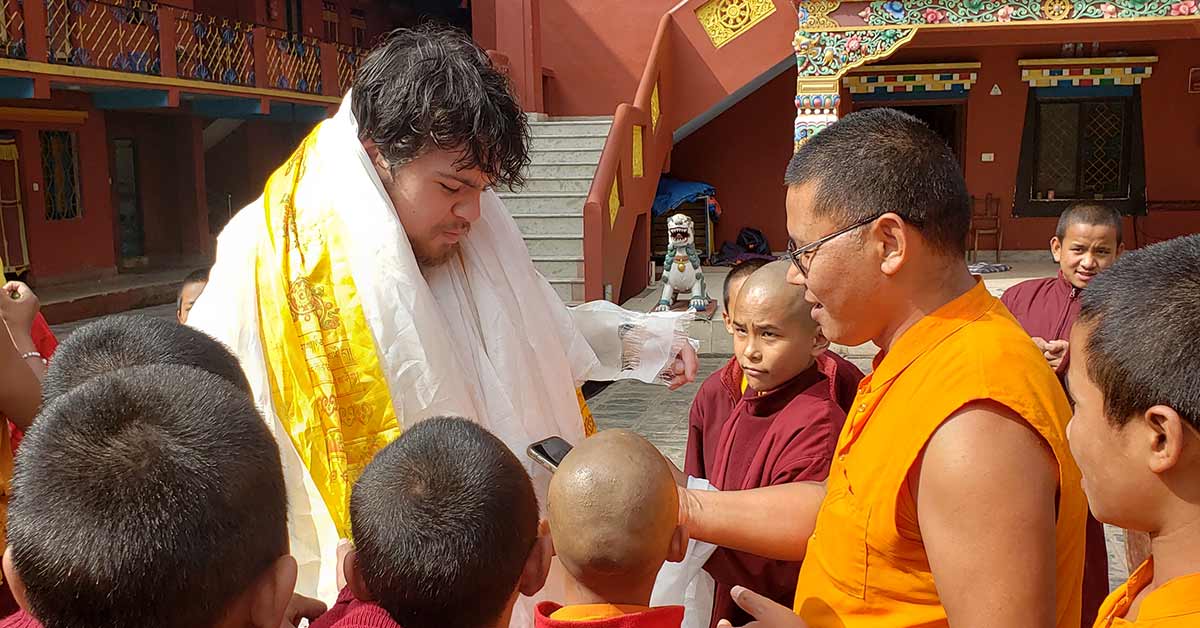
Volunteering in a Buddhist monastery is not just about travel. It is about stepping away from noise and stepping into a different way of living. A slower one. A more mindful one.
From the beautiful hills of Sri Lanka to the mystic Himalayas of Nepal and the serene temples of Thailand, Buddhist monastery volunteer programs in 2026 offer something that most travel experiences cannot , a connection to peace, discipline, and simplicity.
You will not just visit a monastery. You will live in it. You will wake up early, join prayers, share meals, and slowly understand a lifestyle that is built around awareness and compassion.
Why Volunteer at a Buddhist Monastery?
Volunteering in a Buddhist monastery gives you the opportunity to learn by living.
You can join the monks at prayer, observe their rituals, and understand their beliefs not from books but from daily life. You will also have the chance to meditate alongside them, which in itself can be a life-changing experience.
At the same time, you will also be contributing. Teaching English is one of the most common ways to help. It is a simple skill, but for monks, it opens a door to communicate with the global world and share their teachings beyond their community.
Most monasteries accept Western volunteers regardless of religion. You are not expected to be a Buddhist. You are expected to be respectful, open, and willing to adapt.
Buddhist Monastery Volunteer Programs 2026 – What to Expect
In 2026, there are multiple Buddhist temple volunteer programs available across Asia and beyond that welcome international volunteers.
These programs are generally flexible. You can stay for a few weeks or several months. Most of them do not require formal qualifications. Basic English and a positive attitude are usually enough.
What you will do:
- Teach English to monks and nuns
- Help with daily chores like cooking or cleaning
- Join meditation and prayer sessions
- Participate in cultural and religious activities
Living conditions:
- Simple rooms, often shared
- Vegetarian meals, usually rice, lentils, and vegetables
- Limited facilities (hot water, heating, or Wi-Fi may not always be available)
- This is not luxury travel. It is simple living. And that is where the real experience lies.
Please click here to get the complete details on available programs, volunteer’s roles and activities , accommodation, cost, visa , vaccination, airport arrival and the rest of it.
Get More Info Now »
Top Buddhist Temple Volunteer Programs in 2026
Here are some of the most active and accessible programs for Western volunteers in 2026.
1. Teaching in Buddhist Monasteries – Himalayan Region, Nepal
In the remote Himalayan region, you will live in monasteries surrounded by mountains and silence.
You will teach English and basic subjects to monks aged 8 and above for a few hours a day.
Apart from teaching, you may also help with gardening, cooking, or temple activities.
The journey itself is part of the experience. Reaching the monastery may involve jeep rides and hiking through mountain trails.
- Duration: 5–12 weeks
- Focus: Teaching + cultural immersion
2. Volunteering with Buddhist Monks – Chiang Mai, Thailand
This program focuses on teaching conversational English to young monks in temple schools.
You will work alongside local teachers and help monks improve their speaking and listening skills. Apart from teaching, you can join meditation sessions and local festivals.
The environment is structured, but still allows space for creativity in teaching.
- Duration: 2–12 weeks
- Focus: Teaching + cultural exchange
3. Teaching English to Monks – Luang Prabang, Laos
Set in a UNESCO-listed town, this program offers a balance between cultural immersion and monastery life.
You will teach English informally and interact with monks of different age groups. The teaching style is flexible, allowing you to create your own approach.
This is ideal if you want a more relaxed volunteering environment.
4. Teaching in Monasteries – Kandy, Sri Lanka
In Sri Lanka, you will teach English to monks in traditional temple schools known as pirivenas.
You will live with a host family, which adds another layer of cultural experience. The teaching is mostly conversational and informal.
You will also have time to explore Buddhist heritage sites across the region.
5. English Teacher Program – Kathmandu, Nepal
In Kathmandu and nearby areas like Boudhanath and Pharping, you can teach English to monks aged 5–17.
Classes are usually 2–4 hours per day, and the rest of the time can be spent learning about Buddhist rituals or joining meditation.
You will be living either in a monastery or with a host family.
6. Teach Young Monks – Sri Lanka Pirivenas

This program focuses on younger monks between 10–14 years old.
You will help them improve their English through conversations, games, and creative activities. It is a simple role, but it has a direct impact.
Living with a local family also helps you understand daily life beyond the monastery.
7. Teach English to Monks – Siem Reap, Cambodia
In Cambodia, volunteering includes teaching monks and also working with local children.
You will spend about an hour a day teaching monks and the rest engaging in community activities. The experience combines service with cultural exploration around Angkor temples.
8. Plum Village Volunteer Program – France (2026)
For those who prefer a European setting, Plum Village offers mindful volunteering during retreats.
You will assist in kitchen work, cleaning, or organizing meditation sessions. The focus here is less on teaching and more on mindfulness in action.
This is a different kind of monastery experience, but still deeply rooted in Buddhist practice.
9. Workaway Monastery Stay – Taiwan
In Taiwan, you can live in a large Buddhist center and assist with daily operations.
Tasks include cleaning, meal service, and helping during events. You will also have access to workshops like Tai Chi and calligraphy.
This program works on a free exchange basis, where food and accommodation are provided.
10–12. Flexible Programs in Nepal & Thailand
There are also several flexible programs available where you can:
- Teach English to monks in Kathmandu
- Support monasteries in Pokhara or rural Nepal
- Teach novice monks in Chiang Mai
These programs are usually low-cost and allow you to choose your duration based on your availability.
Countries Where You Can Volunteer in Buddhist Monasteries
Nepal – The Birthplace of Buddha
Nepal holds deep spiritual significance as the birthplace of Lord Buddha in Lumbini.
With over 1,200 monasteries, the country offers a wide range of volunteering opportunities.
Many monks here are from underprivileged backgrounds or Tibetan refugee communities.
Locations like Pharping, Namobuddha, and even remote Himalayan regions provide very different experiences , from accessible monastery stays to more isolated placements.
Living conditions are simple. Electricity can be unreliable, and hot water is not always available. But the environment is peaceful, and the learning is constant.
Sri Lanka – A Deeply Rooted Buddhist Culture
Sri Lanka has a strong Buddhist presence, with monasteries spread across the country.
Volunteering here often involves teaching in pirivenas and living close to traditional communities. It is a culturally rich experience where you can observe rituals, festivals, and daily monastic life.
Thailand – Structured and Accessible Programs
Thailand is one of the easiest countries to join a monastery volunteer program.
With thousands of temples across the country, programs are well-organized and suitable for first-time volunteers.
You will mostly be teaching English and joining meditation sessions, with a structured schedule and clear expectations.
How Can You Join a Buddhist Monastery Volunteer Program?
Joining a program is simple.
You do not need a degree or previous experience. You only need:
- Basic English skills
- Willingness to adapt
- Respect for culture and rules
You will need to apply through an organization like VolunteerFDIP. Some programs charge a fee that covers accommodation and meals.
Travel costs, visa, and insurance are usually your responsibility.
What You Should Know Before You Go
Daily Life
Your day will usually start early, around 5 AM, with meditation or chanting.
The rest of the day will include teaching, helping with chores, meals, and more meditation. The routine is simple but structured.
Etiquette
- You must follow certain rules:
- Dress modestly (cover shoulders and knees)
- Remove shoes before entering temples
- Avoid physical contact with monks (especially for women)
- No alcohol or drugs
Respect is the most important requirement.
Simplicity
Life in a monastery is minimal.
There are no distractions. No luxury. Just daily routine, silence, and awareness.
This simplicity is not a limitation. It is part of the experience.
Please click here to get the complete details on available programs, volunteer’s roles and activities , accommodation, cost, visa , vaccination, airport arrival and the rest of it.
Get More Info Now »
Conclusion: Living in a Monastery as a Volunteer in 2026
Volunteering in a Buddhist monastery in 2026 is not just about helping others. It is also about understanding yourself.
You will learn how to live with less. You will learn how to observe rather than react. And you will learn that peace is not something you find outside, but something you build within.
Whether you choose Nepal, Sri Lanka, Thailand, or even a monastery in Europe, the experience remains the same at its core , simple, meaningful, and lasting.
FAQs
Can Westerners volunteer in Buddhist monasteries?
Yes, most monasteries accept international volunteers as long as they respect the rules and lifestyle.
Do I need to be a Buddhist to join?
No. You do not need any religious background to participate.
Do I need teaching experience?
No. Basic English and willingness to help are enough.
How long can I stay?
Programs range from 1 week to several months depending on your preference.
Published on March 29, 2026
To share this link:
Please click here to get the complete details on available programs, volunteer’s roles and activities , accommodation, cost, visa , vaccination, airport arrival and the rest of it.
Get More Info Now »